Explore the fascinating science behind why tires lose air in cold weather in this comprehensive article. From the effects of temperature on tire pressure to practical solutions for maintaining optimal tire performance, this informative piece provides valuable insights for general readers seeking a deeper understanding of this common issue.
At Van’s Tire Pros, we have several tire experts who can help you choose the best tire for your vehicle, season, and driving conditions. Our vast experience with multiple makes and models of cars, trucks, and SUVs allows them to choose a tire best suited to your vehicle.
If you need help choosing tires or need our tire balancing and alignment services, contact us now.
The Science Behind Tires Losing Air in Cold Weather
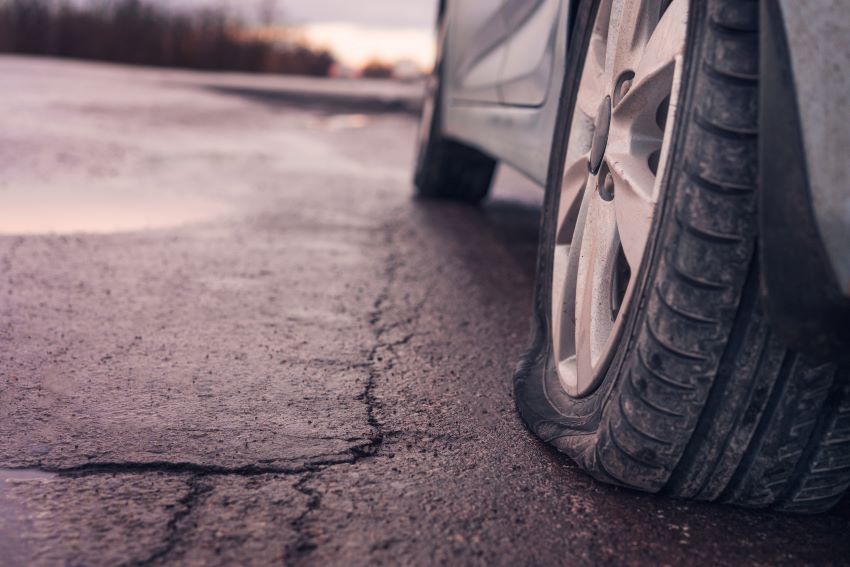
When the temperature drops, many car owners notice that their tire pressure decreases as well. This phenomenon is not just a mere inconvenience; it can also affect the safety and performance of your vehicle. Understanding why tires lose air in cold weather involves delving into the science behind tire pressure and its relationship with temperature.
Effects of Temperature on Tire Pressure
The air inside your tires is made up of molecules that are constantly in motion. When the temperature drops, these air molecules slow down and move closer together, resulting in a decrease in air pressure. This is why your car’s tire pressure light may illuminate during cold weather, indicating that the pressure has fallen below the recommended level.
Understanding the Ideal Gas Law
To comprehend the relationship between temperature and tire pressure, it’s essential to consider the ideal gas law, which states that the pressure of a gas is directly proportional to its temperature. In simpler terms, as the temperature decreases, so does the pressure of the gas inside the tire.
Impact of Cold Weather on Tire Materials
Aside from the air inside the tires, the rubber materials used in tire construction also experience changes in cold temperatures. Rubber tends to become stiffer and less elastic in the cold, which can further contribute to a decrease in tire pressure.
Common Reasons for Tire Pressure Loss in Cold Weather
Contraction of Air Molecules
As mentioned earlier, the contraction of air molecules in cold weather leads to a reduction in tire pressure. This natural phenomenon occurs in all air-filled objects, including car tires.
Changes in Rubber Elasticity
The cold weather causes the rubber in tires to lose some of its elasticity, making it harder for the tire to maintain its shape and retain air pressure.
Effects of Temperature Fluctuations
Frequent temperature fluctuations, such as when the car is parked outside during the night and then driven in the warmer daytime, can also contribute to fluctuations in tire pressure.
Practical Solutions for Maintaining Optimal Tire Performance in Cold Weather
Regular Tire Pressure Checks
One of the most effective ways to combat the effects of cold weather on tire pressure is to regularly check the tire pressure and inflate them to the recommended level. This simple task can help ensure optimal tire performance and safety.
Using Nitrogen Instead of Compressed Air
Nitrogen is less affected by temperature changes compared to compressed air, making it a popular choice for tire inflation, especially in areas with extreme temperature variations.
Installing Tire Pressure Monitoring Systems (TPMS)
TPMS provides real-time information about the tire pressure, alerting the driver if the pressure drops below a certain threshold. This can help drivers take proactive measures to address low tire pressure in cold weather.
Conclusion
Understanding why tires lose air in cold weather is crucial for maintaining optimal tire performance and ensuring safety on the road. By being aware of the effects of temperature on tire pressure and implementing practical solutions such as regular pressure checks and TPMS, drivers can mitigate the impact of cold weather on their tires. Proper tire maintenance in cold weather is not only essential for vehicle performance but also for the safety of everyone on the road.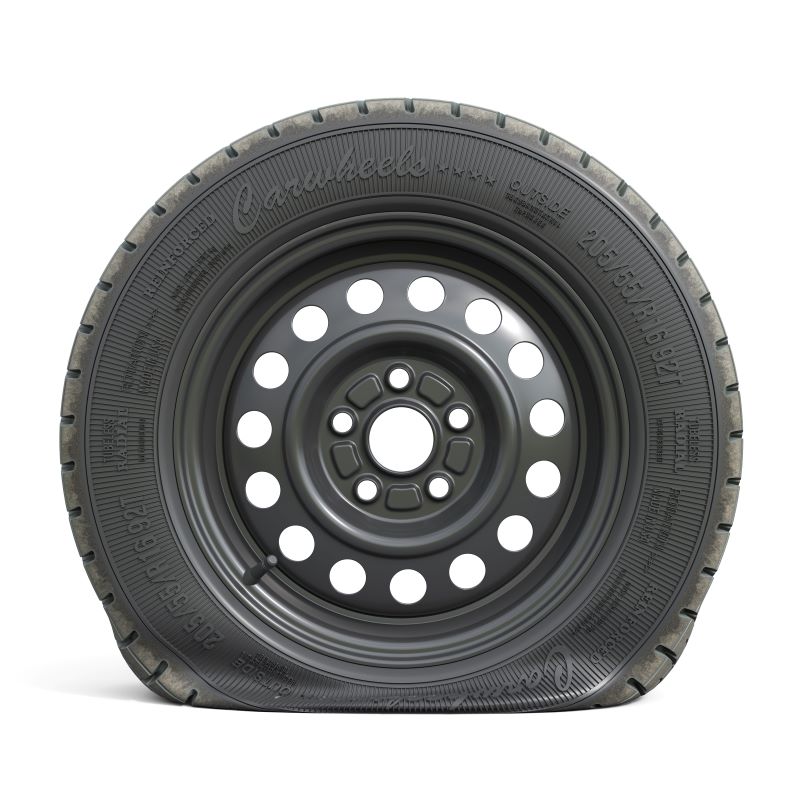
Final Tips for Maintaining Tire Pressure in Cold Weather
- Keep a tire pressure gauge in your vehicle and check your tire pressure at least once a month, especially during the colder months.
- If your car has a tire pressure sensor, pay attention to any alerts and act promptly to address low tire pressure.
- Consider using winter tires designed to withstand cold temperatures and maintain their performance in adverse weather conditions.
By understanding the science behind tire pressure and implementing practical maintenance measures, drivers can ensure that their tires perform optimally even in the coldest of weather.